Creative Market Font: A Script Typeface for Distinct Branding
The moment I decided my candle labels needed a full refresh, I was standing at a weekend market with a corner stall between two beautifully branded competitors. My own glass jars had the same tired handwriting-style font I’d picked in a rush two years ago, printed on brown kraft stickers. It wasn’t awful, but it wasn’t doing my product any favors either. When a regular customer kindly said, “Your new Midnight Fig scent is incredible—do you think you’ll ever redesign the packaging?” I knew it was time. That’s how I ended up spending a Tuesday evening browsing script fonts, and how Creative Market Font stopped me mid-scroll, glass of wine in hand, genuinely excited about typography for the first time in months.
The First Look and Feel of Creative Market Font
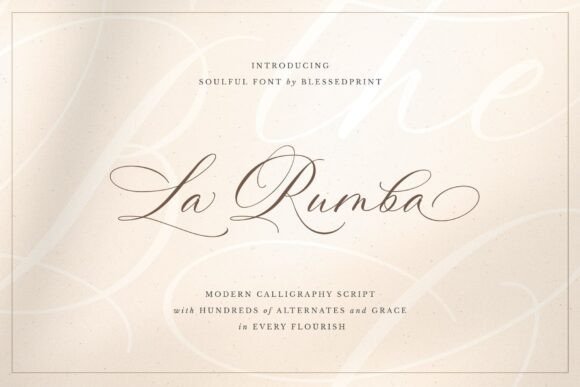
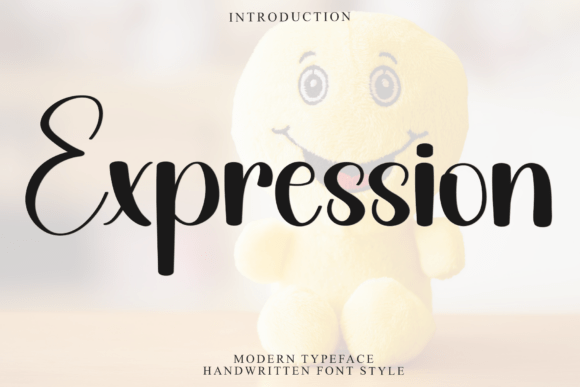
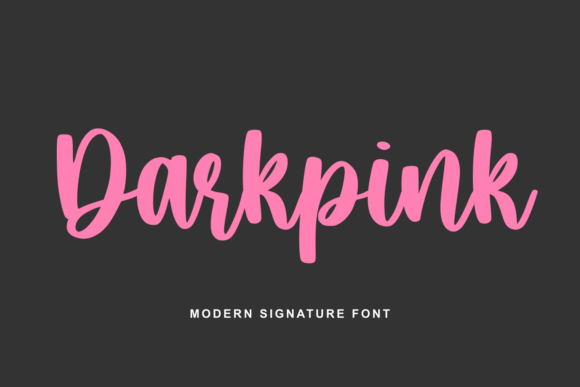
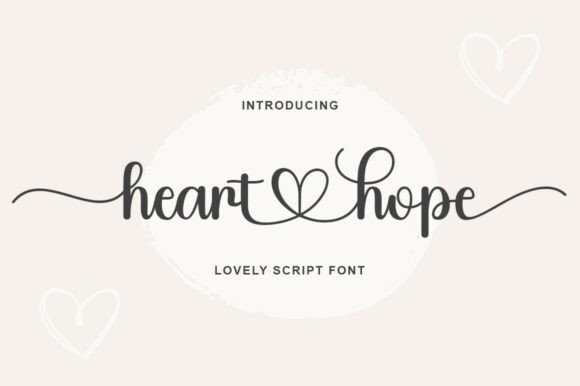
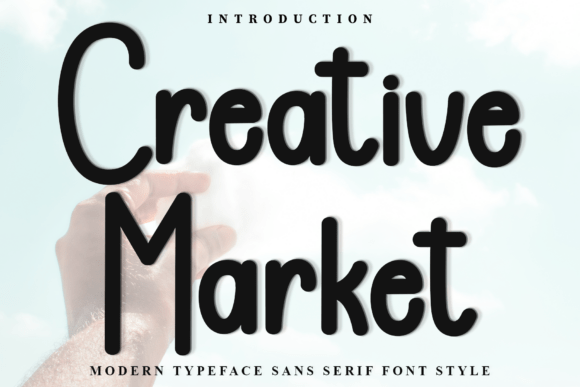
Describing a typeface can sound abstract until you put it next to a real label or logo concept. Creative Market Font has what I’d call a soft yet deliberate presence. The strokes carry a slightly uneven texture, as if drawn with a fine brush that was moving at a comfortable pace—no shaky imitation of calligraphy, just a natural, flowing rhythm. The letterforms feel approachable but never childish. That balance is rare in the script category. Many display fonts push too hard into elegance and end up losing legibility, while the rugged hand-drawn ones look clumsy on a polished jar or box. This one lands in the handsome center: expressive enough to carry a brand name on its own, clean enough to read across a candle scent card, a bakery menu, or a small skincare label.
What struck me most was how the font’s personality shifts depending on the color, size, and material you pair it with. On a matte ivory paper sticker, it read as understated luxury. Foil-stamped onto a dark glass bottle mockup, it felt modern and editorial. That adaptability is something small business owners desperately need—a single typeface that can stretch across thank-you cards, product hang tags, and Instagram quote posts without looking like it’s doing the same thing over and over.
Where This Script Font Earns Its Place in Real Branding Work
I approached Creative Market Font as a practical tool, not just a pretty preview. The first test was straightforward: I mocked up labels for three candle fragrances, using the font for the scent name and keeping the rest of the text in a simple geometric sans serif. The difference was immediate. The product looked cohesive, intentional, and far closer to the $30–$40 price range candles you see in boutique home stores. There was no visual chaos competing with the fragrance description; the font anchored the design.
From there I experimented with other typical small business touchpoints. For a friend’s coffee cart rebrand, I used it on a printed menu header and a loyalty stamp card. For a handmade soap client, it appeared on oval ingredient stickers and a small folded note tucked inside the order. Each time, the font held its own as a primary display element. It works brilliantly for short phrases and product names. Think bakery box tops, candle jar lids, skincare product lines, boutique clothing tags, café chalkboard-style posters, wedding invitation suites, or social media announcement banners—anywhere you need a few words to carry visual weight.
Logos, Headlines, and the Art of the Short Phrase
Creative Market Font is, first and foremost, a display typeface. The eye naturally treats its letterforms as decorative focal points, which makes it excellent for logos and hero text. I’ve seen it used effectively as a standalone wordmark for a small lifestyle blog, where the flowing lines became the entire identity. For a larger logo mark, you could pair it with a small icon or let the font’s distinctive initial caps do the heavy lifting. Since the font includes stylistic alternates and ligatures, you get room to play with custom-looking combinations—tweaking a ‘t’ cross or looping an ‘l’—so your wordmark doesn’t feel off-the-shelf.
For headlines on packaging, websites, and social posts, I learned to keep the text short and the size generous. A single scent name, a seasonal promotion, or a brand tagline set in Creative Market Font immediately feels more curated than standard web-safe type. On a Shopify banner or an Etsy shop cover, the font’s soft edges warm up the screen without sacrificing readability on a mobile device, provided you keep the point size healthy and the word count low.
The Readability Conversation: Practical Limits for Small Surfaces
Any script font demands a bit of care when you shrink it down, and Creative Market Font is no exception. On a printed tag the size of a business card, the lighter strokes can lose crispness if set below 10 or 11 points. I found the sweet spot to be around 14 points and above for packaging labels, and considerably larger for social media thumbnails where tiny text gets squished on phone screens. This isn’t a criticism; it’s simply the nature of a typeface built for presence rather than dense paragraphs. The font is not the one you’d choose for long product descriptions or detailed nutritional panels. You’ll want a clean sans serif for that heavy lifting while letting Creative Market Font own the headline real estate.
For makers who print at home, I’d recommend doing a quick test on the actual label stock before printing a full batch. Coated papers can render the thinner strokes beautifully crisp, while porous kraft paper may cause the ink to spread slightly and soften the edges. Either look can be lovely—it just depends on the mood you’re after. A slight ink bleed on recycled paper can actually enhance the handcrafted feel, which works perfectly for artisan food producers, plant shops, or natural beauty brands.
Simple Font Pairings That Let Creative Market Font Shine
If you’re new to mixing typefaces, the safest and most effective route is to pair this expressive script with a restrained sans serif. Think along the lines of a clean, neutral workhorse like Open Sans, Montserrat, or an elegant geometric sans with a taller x-height. The contrast between the organic movement of Creative Market Font and the steady structure of a sans serif creates a visual hierarchy that guides the customer’s eye naturally: “Read this beautiful name first, then here are the trustworthy details.”
For a softer, editorial look, you might pair it with a delicate serif typeface. A light, transitional serif underneath a bold script heading can give packaging a high-end magazine quality. I’ve also seen a trend where a handwritten secondary font is used sparingly for small accent words, but I’d caution against pairing two highly decorative scripts. Let one do the singing.
- Logo concept: Creative Market Font for the brand name, mid-weight sans serif for a tagline beneath.
- Candle or skincare label: Scent or product name in the script font, ingredients and weight in a clean, narrow sans serif.
- Menu design: Section titles like Brunch or Seasonal Specials in the display font, descriptions in a readable serif.
- Instagram graphic: A short quote or announcement in Creative Market Font on a soft background, with a simple link in a small sans serif at the bottom.
Why Typography Shapes Customer Trust Before Anything Else
When a potential customer lands on an online shop or picks up a product at a market, the first few seconds are purely visual. They’re not reading ingredient lists yet; they’re absorbing a feeling. Typeface choice is one of the most immediate communicators of that feeling. An inconsistent or generic font layout can whisper “hobbyist” even when your product is remarkable. A cohesive, intentional type system does the opposite: it says this brand pays attention, this product is made with care, and this purchase will feel special from the moment you unwrap it.
Creative Market Font, with its gentle personality and obvious craftsmanship, helps bridge that gap. It takes the handmade spirit of a small business and translates it into something that looks confident and consistent. For my candle line, the switch wasn’t about tricking customers into thinking I’d gone corporate. It was about giving them the visual confidence that my product was worth its price point. Every time I slide a finished candle into a cloth bag with a small hang tag, I feel a flicker of pride that the packaging now reflects the quality inside the jar. That’s not a metric I can measure, but it absolutely changes how I show up in my own business.
Before You Download: Formats, Licensing, and Design-Ready Details
A beautiful typeface only becomes truly useful when it fits smoothly into your daily workflow. Creative Market Font comes with the file formats you’d expect for modern design work, including OTF and TTF, which means compatibility with both desktop applications like Adobe Illustrator, Photoshop, and InDesign, and simpler tools like Canva or Cricut Design Space. The font often includes a set of stylistic alternates and ligatures, which you can access through the glyphs panel in professional design software. Those little custom touches are part of what gives the script its natural, hand-lettered flow, and playing around with them is an easy way to make your packaging feel one-of-a-kind without hiring a lettering artist.
Multilingual support is worth confirming if your packaging includes text in languages beyond English. Many premium script fonts now include extended Latin character sets, which can be essential for businesses selling across Europe or serving bilingual communities. I also recommend double-checking the commercial licensing terms. If you plan to use the font on product packaging, merchandise, logos, or templates that you sell, you need a license that explicitly covers those uses. Most Creative Market fonts offer clear commercial options, but it’s always smart to read the specifics so your dream branding doesn’t run into rights issues later.
For anyone piecing together their visual identity without a huge design budget, a font like this fills a strategic gap. It’s not just another pretty script to scroll past on a website; it’s a functional design asset that can pull together loose branding threads into something that looks intentional. When I think about the bakery owner printing new cupcake boxes, the small-batch deodorant founder designing labels for a launch, or the coffee roaster refreshing a wholesale menu, I know exactly where I’d point them. A solid script amp typeface like Creative Market Font won’t do all the work for you, but it gives your materials a polished, memorable foundation that a hundred other small choices can rest on comfortably.